
SCHOOLBOY RUNAWAY - STEALTH
Linked SquadArcade
3.84.56K Reviews
- Version
- 1.05
- Installs
- 50.00M
- Age Rating
- Teen
Screenshots
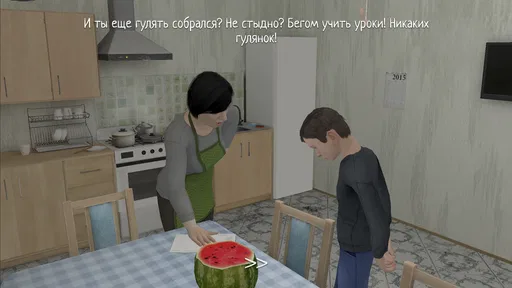

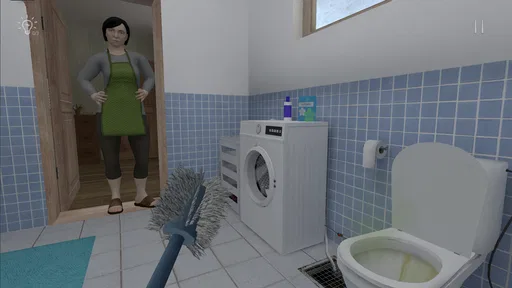
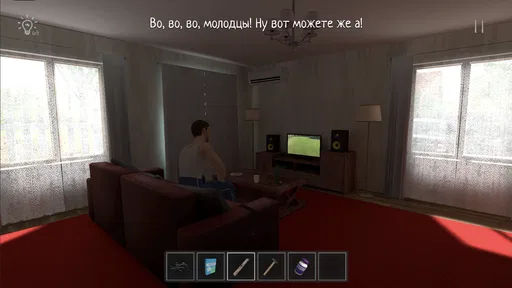
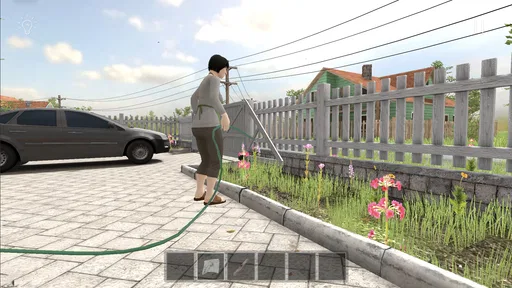
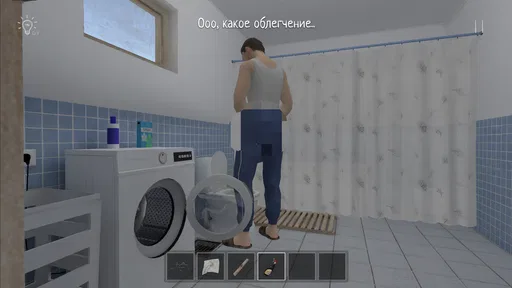
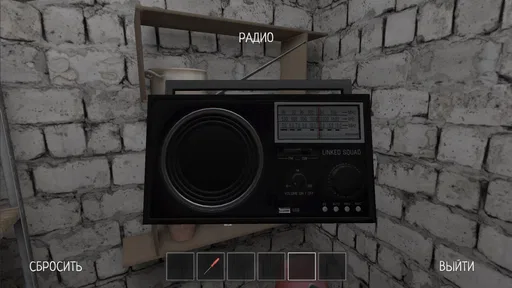
Our Review of SCHOOLBOY RUNAWAY - STEALTH
 Analysis by Appyee
I approached SCHOOLBOY RUNAWAY - STEALTH expecting a quick arcade distraction, but its appeal is more specific than that. It puts me in the role of a schoolboy trying to get out of the house without being caught by his parents, so the challenge is less about reflexes alone and more about watching, waiting, and choosing the right moment. That simple setup gives each attempt a slightly tense, mischievous feeling.
It is a free game from Linked Squad, listed for Teen players and available on Android devices running Android 6.0 or later. The game sits in the arcade category, although I would describe the experience as a stealth puzzle wrapped in an arcade-style retry loop. It was released on June 16, 2024, and version 1.05 is the current version. That combination makes it easy to try, but the real question is whether its short, trial-and-error structure suits the way you like to play.
Where players usually get stuck
The first obstacle is not installing the game; it is understanding that rushing is usually the wrong instinct. The premise sounds like a straightforward escape, so I initially wanted to move quickly and test the obvious route. That approach tends to create trouble. The household is treated as a space to read, and a successful attempt depends on noticing when movement is safe rather than simply holding a direction and hoping for the best.
This is where the arcade label can be slightly misleading. If you are looking for constant action, rapid tapping, or a score chase that rewards immediate reactions, the opening moments may feel slower than expected. The tension comes from hesitation. I found myself observing a situation, committing to a move, and then accepting that a failed attempt was useful because it revealed something about the timing or route.
Another common sticking point is treating every failure as a control problem. Sometimes the controls are not the real issue. A run can fail because the chosen moment was poor, because I moved before checking what was happening around me, or because I assumed a familiar-looking path would remain safe. That distinction matters: changing how you read the scene is often more effective than repeatedly tapping faster.
The most useful early habit is to separate observation from movement. Before making a serious attempt, I spend a moment identifying what appears to trigger danger and which spaces seem to offer a safer pause. This does not remove the challenge, but it turns random retries into deliberate experiments.
Why the first attempts can feel harsher than expected
Stealth games often punish impatience, and this one makes that lesson clear. A player who expects a generous arcade rhythm may interpret a failed escape as unfair, especially when the goal looks close. I think the better way to approach it is as a compact puzzle: each attempt tests one assumption. Did I leave too early? Did I choose a route because it looked short rather than because it was safe? Did I react to a warning instead of planning around it?
That mindset also helps with the Teen content rating. The premise involves sneaking away from parents, but the attraction is the playful tension of getting caught, not a realistic guide to disobeying adults. I would not present it as a game for very young children simply because the central idea sounds harmless. The rating is worth respecting, particularly if you are choosing something for a family device.
For a realistic everyday session, I can see myself playing during a short break, making a few attempts, then putting the phone down after a mistake. The game works best when I am willing to focus for a few minutes. It is less satisfying when I am distracted, because stealth depends on remembering what happened in the previous attempt and adjusting one decision at a time.
Setup checks before blaming the game
Installation should be uncomplicated for a compatible Android phone, since the minimum requirement is Android 6.0 and the game is free to download. Still, I would begin with a few basic checks. Make sure the device is running a supported Android release, leave enough free storage for the installation process, and avoid starting a first session while the phone is already struggling with several demanding apps in the background.
These are ordinary checks, but they matter more in a game where timing and touch response affect the experience. If the character appears to react late, the problem may be device load rather than the game itself. Closing unused apps, restarting the phone, and trying again on a stable connection are sensible first steps. I would also avoid judging the controls during the first seconds after launching, when a phone may still be completing background work.
The current version is 1.05, so I would check that the installed build matches the latest version offered through the official app store before spending time troubleshooting. An older build can behave differently from the version most players are using. If an update is available, installing it and reopening the game is a more useful first move than repeatedly reinstalling the same older package.
Because the game is free, it is tempting to assume that every problem is caused by the download itself. That is not always true. A full device, an outdated operating system, unstable connectivity during installation, or aggressive battery management can all create friction. I would work through those basics in order rather than changing several things at once, because it is easier to identify what actually fixed the problem.
Controls, screen response, and session conditions
For this kind of stealth arcade game, the phone’s touch response is part of the setup. I get a fairer impression when the screen is clean, the device is not overheating, and my hands are not covering the area where I need to observe the scene. A thick case or an awkward grip can make small movements feel less dependable, especially when I am trying to act quickly after waiting.
I also prefer to play with notifications minimized. A message banner or incoming call can interrupt concentration at exactly the wrong moment, and that can look like a gameplay failure even though the interruption came from outside the game. For a short session, enabling a quiet mode and holding the phone steadily makes the experience more consistent.
If the game opens but does not respond properly, my first sequence would be simple: close it completely, relaunch it, restart the device if necessary, and confirm that the phone meets the Android requirement. I would not immediately erase local app information, because that can remove useful progress or settings on games that store them locally. If a reinstall becomes necessary, I would treat it as a last resort and accept that saved progress may not survive.
Recovering a run after a mistake
The best recovery method is not to replay every attempt in exactly the same way. When I fail, I identify the earliest decision that made the outcome likely. If I moved before understanding the situation, I delay that move next time. If I chose a route that left no room to pause, I test a more cautious option. This creates a practical loop: observe, make one change, and compare the result.
That approach is especially useful when the game feels repetitive. Repetition becomes frustrating when it has no purpose, but it becomes informative when each retry answers a specific question. I try to remember the order of actions rather than relying on vague impressions such as “that path did not work.” A short mental note like “wait longer before crossing” is enough to make the next attempt more controlled.
One non-obvious trade-off is that the safest-looking action may not be the fastest route to success. I often want to choose the shortest movement because it feels efficient, but a slightly slower decision can provide more time to react. In a stealth game, distance and risk are not the same thing. A route that takes longer may be preferable if it gives me a better view or a chance to pause before committing.
A second useful insight is to avoid changing movement and timing simultaneously. If I pick a new route and also act at a completely different moment, I cannot tell which change helped. I get better results by keeping one element familiar while testing the other. That is a small method, but it makes the trial-and-error design feel much less random.
What to do when progress seems blocked
If I believe I am stuck, I first replay the situation with a slower pace rather than assuming the game has broken. Many apparent dead ends come from overlooking a safer sequence or from repeating the same timing mistake. I also check whether I have misunderstood the immediate objective. The escape theme is clear, but the correct action in a particular moment may not be the most obvious one.
When a run behaves differently after an update or restart, I would compare several attempts before drawing a conclusion. One unusual result is not enough to identify a bug. If the same input repeatedly produces no response, I test the screen in another app and check whether the phone is registering touches normally. That helps distinguish a game-specific issue from a device problem.
If the game closes unexpectedly, I would restart the phone, close background apps, and confirm that the operating system is supported. I would also avoid launching it immediately after the device has become hot from extended use. These steps are deliberately general because they are safe, reversible checks that do not require changing sensitive settings or deleting data.
There is also a practical limit to recovery. If I have tried the same sequence many times without learning anything new, taking a break is better than forcing another attempt. Returning later can make the visual cues easier to notice. That is not a technical fix, but it is relevant to this game because impatience is one of the main sources of self-created difficulty.
When the game is not the cause
Some complaints about responsiveness are actually caused by the phone. A device under heavy load may delay touch input, reduce smoothness, or close an app in the background. If other games and apps show similar behavior, I would look at the phone’s storage, temperature, and background activity before blaming SCHOOLBOY RUNAWAY - STEALTH.
Connectivity can also be misunderstood. A player may assume that every interruption is related to gameplay, even when the real problem occurred during downloading, updating, or reopening the app. I would use a reliable connection for those tasks and then test the game again. If the game works normally afterward, the original difficulty was probably part of the setup rather than the escape challenge itself.
On the other hand, if only this game repeatedly fails to launch or respond while the rest of the device behaves normally, reinstalling may be reasonable after the basic checks. I would make that choice carefully. Free access makes trying again easy, but reinstalling can be inconvenient and may affect locally stored progress. I would first confirm that the issue is persistent and specific to this title.
The same caution applies to expectations about performance. The game has attracted over 50 million installs and carries an average rating of 3.9 from around 548 thousand ratings, with roughly 4.5 thousand written reviews. Those figures show broad interest, but they do not guarantee that every phone, control preference, or tolerance for repeated attempts will feel equally good. Popularity is a reason to try it, not proof that it matches every player.
Who should choose it, and who should skip it
I would recommend it to players who enjoy compact stealth challenges, visual observation, and the satisfaction of improving after a failed attempt. It is a good fit for someone who likes a playful scenario with a clear goal and does not mind repeating a section to learn its timing. The free price also lowers the barrier to testing that style for yourself.
I would be more cautious if you want a deep story, a large world, long uninterrupted sessions, or highly competitive arcade scoring. This is not the game I would choose when I want constant action or a broad progression system. I would also skip it for a very young child because the Teen rating should guide that decision, even though the premise is presented in a mischievous rather than serious way.
Compared with a conventional reflex arcade game, this title asks for more patience and observation. Compared with a traditional puzzle game, it feels more immediate because the player must act in a live situation instead of simply selecting solutions from a static screen. That middle ground is its strongest identity. If you enjoy both quick mobile play and light stealth reasoning, it can fill a useful niche; if you prefer either pure speed or pure logic, a more specialized alternative may suit you better.
My practical verdict after testing the routine
My overall impression is positive, with a clear qualification: the game is enjoyable when I accept that failure is part of the learning process. The escape premise gives the arcade format a memorable focus, and the stealth angle makes ordinary movement feel meaningful. I like that a short session can still contain a complete decision cycle: watch, attempt, fail, adjust, and try again.
Its main friction is also built into that design. Players who want immediate success may find the repetition irritating, while players who enjoy reading patterns will probably see the same repetition as the reason to continue. The experience depends heavily on patience, attention, and a responsive device. Those are not flaws I would hide, because they determine whether the game feels clever or simply stubborn.
Linked Squad has made a free arcade game that is easy to approach but not necessarily easy to master. With Android 6.0 or later, a little preparation, and a willingness to test one decision at a time, I think it is worth trying. My advice is to begin with a calm session, keep the phone free from interruptions, and treat the first failures as information. Choose it for the stealthy trial-and-error challenge, not for nonstop arcade action.
Privacy and Permissions
See what permissions an app requests and how it handles your data.
- Wi-Fi connection information
- view Wi-Fi connections
- Other
- view network connections, full network access, run at startup, control vibration, prevent device from sleeping, Google Play license check
Verdict
Strengths of SCHOOLBOY RUNAWAY - STEALTH
- Simple controls make it easy to start playing quickly.
- Short levels are convenient for brief gaming sessions.
- Stealth mechanics encourage careful planning and observation.
- The tense atmosphere keeps routine tasks surprisingly engaging.
- Works well for players who enjoy challenge-based puzzle gameplay.
Limitations of SCHOOLBOY RUNAWAY - STEALTH
- Some objectives may feel unclear without experimenting repeatedly.
- Failure can become repetitive when the same sequence must be replayed.
- The dark setting may make certain details difficult to notice.
- Progress depends heavily on timing, which may frustrate casual players.
- Limited gameplay variety could reduce long-term replay value.
Similar Picks in This Category
View All
Subway Surfers
SYBO Games4.6

Stickman Party 234 MiniGames
PlayMax Game Studio4.6

Subway Princess Runner
Ivy4.4

Temple Run
Imangi Studios4.2

Zombie Tsunami
Mobigame SAS4.6

Stack Ball - Crash Platforms
CASUAL AZUR GAMES4.5
Frequently Asked Questions
What is SCHOOLBOY RUNAWAY - STEALTH about?
SCHOOLBOY RUNAWAY - STEALTH is a stealth and escape game in which you control a schoolboy trying to leave home without being caught. The main challenge is observing character movements, avoiding noise, hiding at the right moments, and completing objectives carefully. It combines exploration, timing, and puzzle-solving rather than traditional fast-paced action.
How do you play SCHOOLBOY RUNAWAY - STEALTH?
Gameplay is based on moving through different areas while staying out of sight and avoiding detection. You generally need to investigate your surroundings, find useful items, interact with objects, and choose the safest route. Sound and timing are important, because careless movement or opening the wrong door can alert nearby characters and force you to restart or try again.
Is SCHOOLBOY RUNAWAY - STEALTH suitable for children?
The game has a simple premise and cartoon-style presentation, but it still includes suspenseful stealth situations and the possibility of being caught. Parents should check the age rating, advertising, and privacy information shown on the relevant app store before allowing younger children to play. It is best suited to players who enjoy light tension, exploration, and escape challenges.
Can SCHOOLBOY RUNAWAY - STEALTH be played offline?
The core gameplay may be playable without a continuous internet connection, depending on the version installed and the device being used. However, an internet connection can still be required for the initial download, updates, advertisements, analytics, or optional in-app features. Before traveling or playing offline, launch the game once and confirm that its main levels work without network access.
Is SCHOOLBOY RUNAWAY - STEALTH free to download?
The game may be available as a free download, but the exact monetization model can vary between Android and iOS versions. Free releases commonly include advertisements, optional purchases, or limitations that can change after updates. Check the official store listing for the current price, in-app purchase details, permissions, and device compatibility before downloading.
Play our best games!


